



Pregnancy Nausea: Causes, Triggers, and Effective Ways to Manage Morning Sickness
Many women face nausea while expecting a baby. Eight out of ten see it happen early on. Relief might seem hard to reach amid all the shifts your body goes through. This helps those looking for real ways to ease discomfort - ways tested by research. First-time parents and others who’ve been here will spot useful tips they can try right away. The reasons behind queasiness show up clearly when we look at how pregnancy affects bodily functions. Finding what sets off your symptoms comes first. Some foods shift energy levels in ways people often overlook. Moving meals around sometimes brings relief nobody expects. Herbal options enter the picture once patterns show up. Sleep habits quietly influence results more than assumed. Talking to a doctor becomes necessary when shifts stop making sense.
Understanding Pregnancy Nausea and Morning Sickness
What pregnancy nausea is and when it typically occurs
Your stomach turning? That’s just how things go when hormones surge in early pregnancy. Called morning sickness, sure - but dizziness hits whenever it wants, dawn or dark. Some days it is a slight unease; others bring waves so strong eating feels impossible. The timing never follows rules.
Few women spot signs by week four, but six weeks is more common. By weeks eight through ten, queasiness often hits its highest point for many.
After that stretch, things usually ease up when the first three months wrap up, near week twelve or fourteen. Not everyone follows this pattern - some carry nausea deep into month five or beyond. Then again, certain individuals go through pregnancy without a single bout of morning sickness.
How hormonal changes trigger nausea symptoms
Floods of pregnancy hormones surge through you, turning your stomach upside down. Not just a side effect - it's mostly hCG at play here. This is the same hormone lighting up tests with a clear yes. Fast climbs in its level happen right when queasiness kicks in. Timing lines up too well to ignore.
Hormones surge when you are pregnant, making everyday scents feel intense, sometimes unbearable. Smells hit harder now, often setting off a wave of discomfort deep in the throat. That raw reaction ties closely to how touchy your stomach becomes without warning. Digestion crawls under the influence of one specific hormone, delaying how fast meals leave the gut. Food lingers, adding pressure, feeding the low-grade churn that stays most days.
Why some women experience severe symptoms while others don't
What happens in your body when you’re pregnant can depend a lot on your genes. Picture this - if your mom or sisters felt very sick while expecting, there’s a good chance you might too. One reason? Certain gene differences crank up sensitivity to hormonal shifts. On the flip side, some people barely react at all, thanks to their unique biology. It’s just how things line up inside.
Because every pregnancy responds differently, many women find it helpful to track their daily nausea patterns, food triggers, and energy levels to better understand what works for their own body.
Hormone amounts differ widely between expectant mothers. Carrying twins usually means elevated hormone counts, which might lead to stronger discomforts. New moms frequently feel worse sickness than those already pregnant earlier, likely since their systems aren’t used to hormonal shifts just yet.
Other factors that might influence your experience include:
Age: Women under 25 tend to experience more severe symptoms
Stress levels: High stress can worsen nausea
History of motion sickness: You're more likely to have pregnancy nausea if you get car sick easily
Previous contraceptive use: Some studies suggest hormonal birth control history affects symptom severity
The difference between normal nausea and hyperemesis gravidarum
While regular pregnancy nausea is uncomfortable, hyperemesis gravidarum (HG) is a serious medical condition that affects about 1-2% of pregnant women. You need to understand the difference because HG requires immediate medical attention and treatment.
Most days, you’re able to swallow small sips or bites without bringing them back up. Weight drops a little at first, yet regular tasks stay manageable. Getting through work or chores takes more effort than before, though it’s possible with rest now and then.
A different kind of pregnancy sickness brings constant nausea, one that doesn’t let up. Throwing up a lot makes it hard to hold anything back - food, drink, even saliva sometimes. Warning signs include:
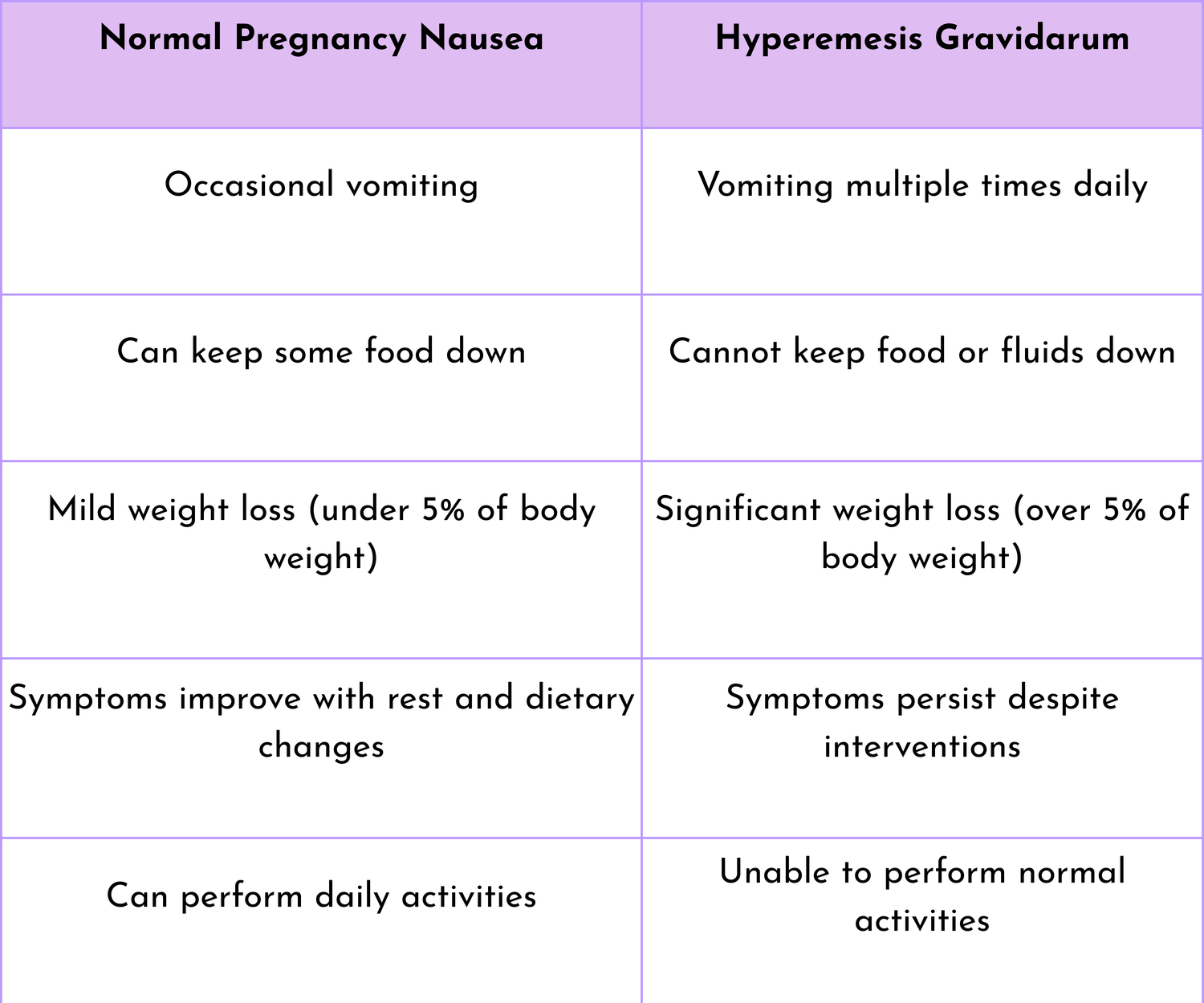
If you're experiencing signs of HG, including dehydration, dizziness, rapid heartbeat, or inability to keep fluids down for 24 hours, contact your healthcare provider immediately. This condition can lead to serious complications for both you and your baby if left untreated, but with proper medical care, most women with HG go on to have healthy pregnancies and babies.
Common Causes Behind Pregnancy-Related Nausea
Rising hCG and estrogen hormone levels
Early on, hormones flood your system when you become pregnant - this rush often brings nausea. The main player? A substance called human chorionic gonadotropin, or hCG. It multiplies rapidly in those first weeks, doubling itself again and again. Pregnancy tests spot this hormone, yes - but its job goes far beyond showing a positive result.
By week nine or ten, hCG hits its highest point - that’s when queasiness usually gets worse. Hormones surge fast, overwhelming your system at first. Digestion drags as a result. That mix sets off waves of sickness and throwing up.
Something else kicks in - estrogen climbs fast, jumping up a hundredfold compared to before pregnancy. That sharp rise slows how quickly your stomach empties, while also tuning your nose and gut to react stronger to particular scents or meals. Even as those hormone numbers stay high across the months, most people start coping more easily once past the initial phase.
Increased sensitivity to smells and tastes
Smells hit differently when expecting. Suddenly, things you barely registered flood your awareness. Around eight out of ten soon-to-be mothers experience this shift - scents grow sharper, stronger. That cozy candle scent? It might send you rushing away. The rich roast at breakfast could turn sour fast.
A fragrance once loved may now feel overwhelming. Sensitivity spikes without warning.
Your body's sharp sense of smell isn't random - it helped keep mothers and babies safe through time. When certain scents hit your nose, your mind often sees them as risks. That reaction can stir up nausea, steering you away from risky foods. Things like coffee, onions, or fried meals might suddenly feel overwhelming. Common smell triggers include:
Lorem ipsum dolor sit amet
Fried smells stick around, particularly when spices hit hot oil.
Personal care products like perfumes or lotions.
Cleaning supplies and chemicals.
Pet odors or litter boxes.
Gasoline or car exhaust.
Strong food aromas from restaurants or kitchens.
Taste shifts sneak up during pregnancy. What once felt delicious could now leave a metallic aftertaste. Suddenly, sweets hit harder than before. Savory or sharp notes start feeling more satisfying. Hormones tweak how taste receptors respond - that’s the real reason behind the switch.
Low blood sugar and empty stomach effects
When you are pregnant, your blood sugar can swing sharply up and down. Low levels often bring on nausea. The baby is always pulling energy from your blood, needing fuel nonstop. Skipping food for hours leads to a sharp dip in glucose. That sudden drop makes your stomach act up.
When the belly holds nothing, acid builds up without anything to digest, leading to a sour discomfort. That sharp fluid starts bothering the inner walls of your gut, sparking queasiness despite an urge to eat. Hours of sleep mean long stretches without food, which is often why morning brings that uneasy, hollow sickness.
Blood sugar dips when meals are missed, making nausea likely. What happens next? The body burns fuel quicker while pregnant, simply because demands increase. Eating at shorter intervals helps keep things steady. Going too long without food tends to backfire badly.
Meals spaced just right make a difference. When food comes in smaller amounts more often, blood sugar stays even, plus less acid gathers in the gut. Big portions? They tend to push the digestive system past its limit. Instead of wild swings in intake, the body prefers slow, regular nourishment - especially when pregnant.
Identifying Your Personal Nausea Triggers
Food-related triggers and aversions
Strange how a bite that felt fine yesterday now turns your stomach. Smells hang in the air longer, sharper - like coffee filling the kitchen, making you step outside. That grilled chicken on the stove? Just watching it sizzle brings waves. Even recalling old favorites, say pepperoni slices, may twist something deep inside. Shifts come fast, one week tolerating onions, next gagging at their scent. Nothing stays fixed, cravings swap places with disgust overnight.
Notice how certain foods make you feel queasy. Greasy meals often play a role. Dairy might surprise you. Spicy dishes tend to show up too. Strong smells can sneak in as triggers. Heavy proteins sometimes linger wrong. Sweet treats may shift your stomach oddly. Watch what happens after eating them
Fish, meat, those kinds of things pack plenty of protein. Eggs do too. Some meals rely on these for strength-building stuff. Bodies use them to grow. Not every food works that way though
Strong-flavored foods such as garlic, onions, and spicy dishes
Fatty or greasy foods including fried items and rich sauces
Sweet treats like chocolate or sugary desserts
Hot beverages particularly coffee and tea
Write down everything you eat to see how your body responds. Over time, trends may show up - like eggs bothering you at breakfast yet causing no issues later in the day. Chilled dishes could feel easier to handle compared to steaming meals. What once tasted good might turn unpleasant, while things you used to avoid now seem tempting.
Environmental factors like smells and heat
A strange sharpness wakes up inside your nose when you are pregnant. Suddenly, everyday scents punch harder than they used to. A whiff of perfume near the elevator makes your stomach twist. Cleaning spray in the hallway burns like smoke. The scent of frying onions at lunchtime hits without warning. Your partner steps close, and his skin gives off a sour tang. Other people breathe deep and notice nothing at all. But you - your body reacts before your mind catches up.
When it gets hot, some pregnant people feel more nauseous. Being in a closed room might trigger it just as much as standing under a warm shower. Sometimes even sunny days bring on discomfort. It could hit you suddenly when temperatures rise. You might notice that:
Strong cooking smells from nearby restaurants or your own kitchen trigger waves of nausea
Chemical odors from cleaning supplies, gasoline, or paint make you feel instantly sick
Personal care products like lotions, shampoos, or toothpaste suddenly smell overwhelming
Hot, humid environments make your nausea more intense
Fresh air helps. Try cracking a window open now and then. Cool rooms feel easier on the body. Skip scented soaps, lotions, or sprays - they can add up. Family might not realize how much perfumes bother you. A quiet word could make a difference. Heat from cooking sometimes sets things off. Walking outdoors while meals are made may help ease that. Comfort often comes down to small shifts.
Stress and fatigue as amplifying factors
Your nausea might get stronger when stress piles up, even if it does not start the queasiness itself. Hormones shift under pressure, stirring discomfort deep in your gut. Tiredness plays a role too, quietly eroding how well you cope. With less rest, small things feel harder to bear.
Frequent discomfort might hit harder during moments like these
Handling job stress or big shifts in life
Few hours under the belt messes up how you run each day. When nights are broken, mornings feel heavier than usual. Rest that comes in fits leaves thoughts scattered by sunrise
Feeling anxious about pregnancy, childbirth, or becoming a parent
Handling relationship or family conflicts
Managing financial concerns or other life stressors
What helps most is tackling tiredness along with pressure at once. Rest comes first, especially if that involves turning down plans. Try slowing your breath or sitting quietly to reset your mind. When things feel too heavy, reaching out can lighten the load. A small request might make a big difference.
Time-of-day patterns and trigger timing
Not every woman feels sick only in the morning - some find it strikes late afternoon instead. Waking up might bring a wave, or it could creep in while eating lunch. A few deal with it nonstop from sunrise to dusk. Your body follows its own pattern, not a rulebook. Knowing when it tends to hit helps more than guessing.
Track when your nausea typically strikes:
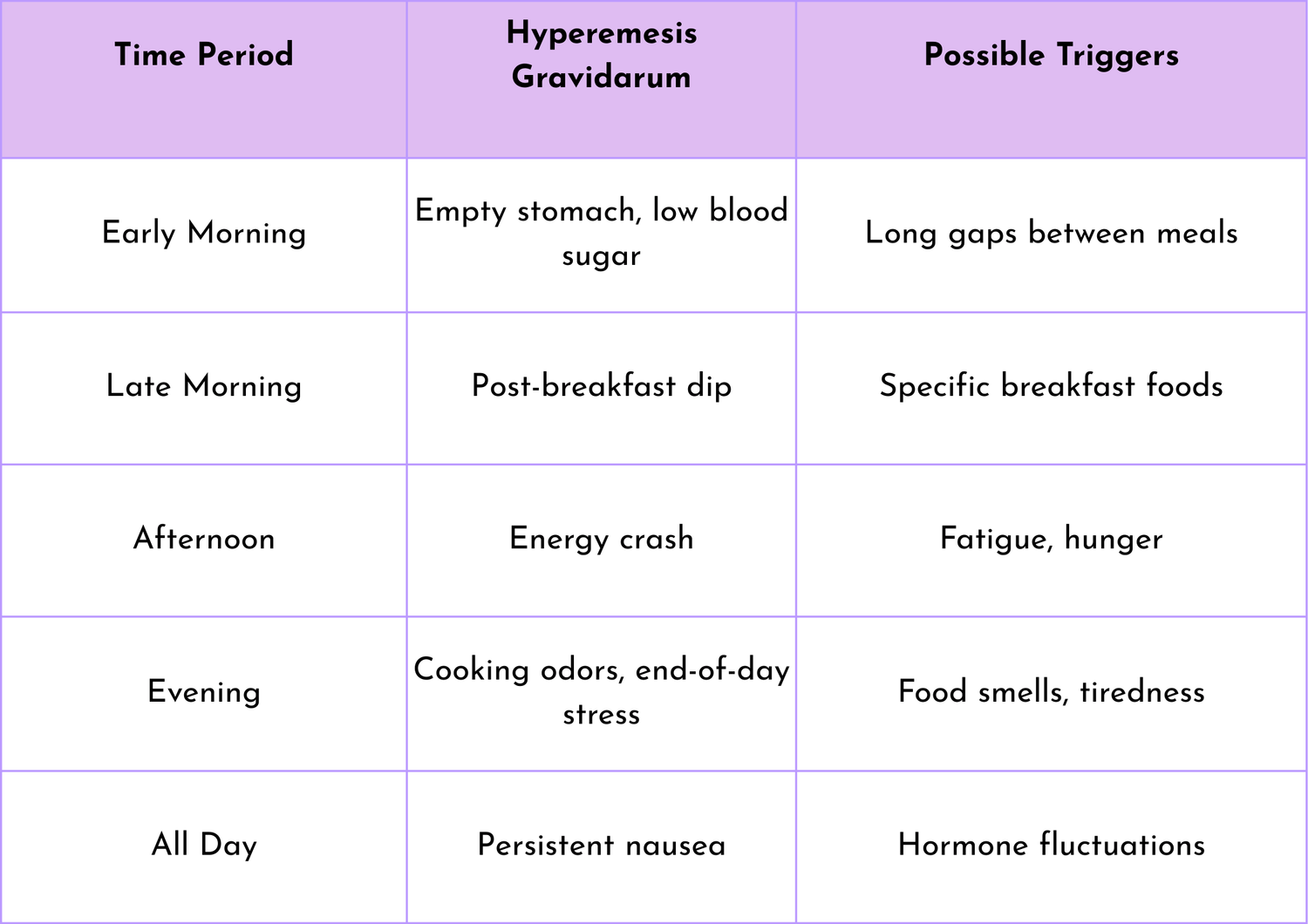
Some women feel better after eating, while others feel worse. You might have specific windows during the day when you feel almost normal, followed by periods of intense symptoms. Use these patterns to your advantage - schedule important activities during your better hours and prepare for challenging times with snacks, rest, or whatever helps you cope.
Dietary Strategies to Reduce Morning Sickness
Small Frequent Meals to Stabilize Blood Sugar
Hunger gnawing at you? Low glucose could spark that sour feeling in your gut. Miss a meal, and things shift - energy drops, discomfort climbs. Eating something small now and then keeps things humming. When fuel flows without gaps, dizziness fades into the background. Frequent meals shape your day more than large ones do. Small portions throughout lead to easier wake-ups.
Keeping a simple daily food and nausea log can make it easier to spot which small meals truly help stabilize blood sugar during pregnancy.
Start the day slow. Maybe grab a cracker first thing, or have a few bits of dry cereal within reach. When night ends, so does the fast - a small taste can settle things down. If toast feels right, go with that instead. Peace comes easier when the meal is simple. Let your gut wake up soft.
Later that day, shift toward five or six lighter stops rather than three fixed meals. Think of it like skimming through pages - quick tastes now and then. Large plates aren’t needed - a handful of almonds, one apple, maybe a few rounds of crispbread could do. While picking snacks, remember protein keeps fuel steady more than bare carbohydrates. Thick yogurt, shell-free boiled eggs, or thin cuts of cheese on dry bread often help calm hunger over time.
Best Foods to Eat When Nauseous
Bland, easily digestible foods become your best friends during pregnancy nausea. The BRAT diet (bananas, rice, applesauce, and toast) isn't just for stomach bugs - these foods are gentle on your system and less likely to trigger nausea.
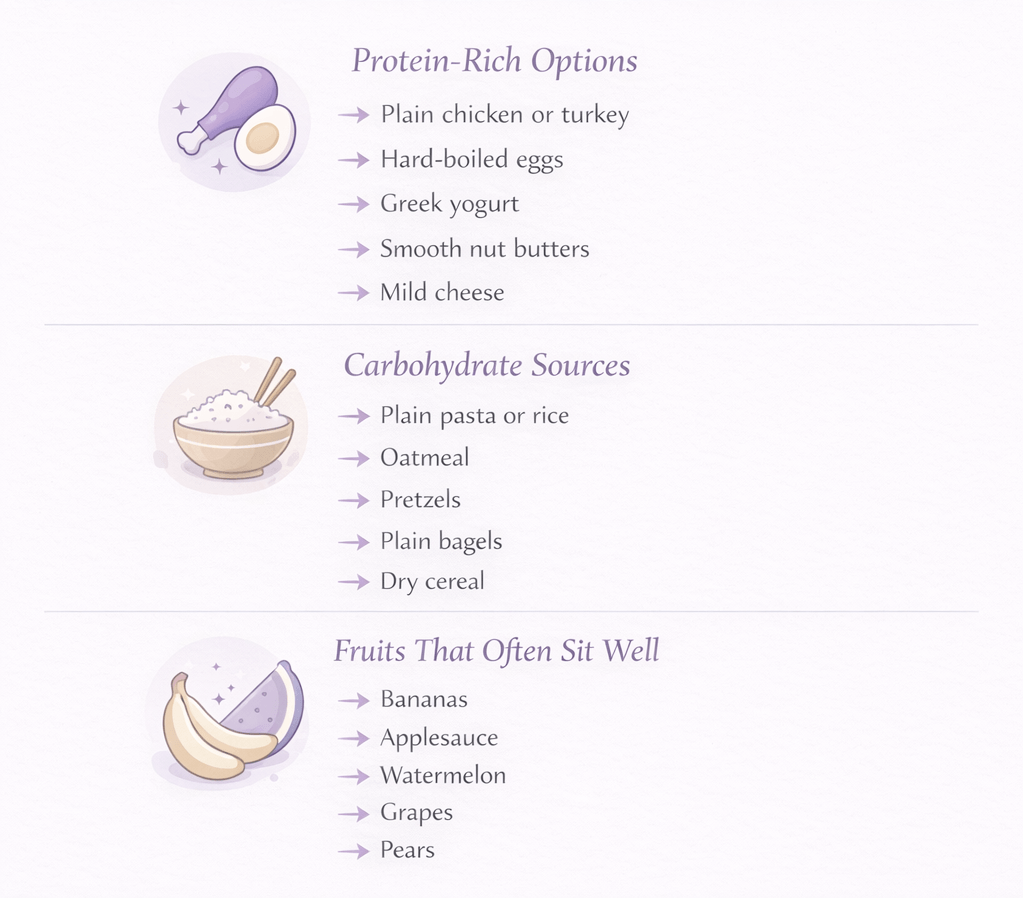
Fresh bites can be kinder when the nose is sensitive - heat often carries smells too intense. Skip the steam now, reach for frosty options: a peach slice, a berry pop, or a quiet glass of chilled juice. Smell lingers, true, yet ginger cuts through - it sparkles in thin biscuits, drifts up from a mug, hides in wrappers like a secret. Sharp little tastes, maybe just that, are what settle things.
Foods and Drinks to Avoid During Pregnancy Nausea
Certain foods and beverages can make your nausea worse, even if you normally love them. Strong smelling, greasy, or highly seasoned foods are common culprits that can trigger nausea episodes.
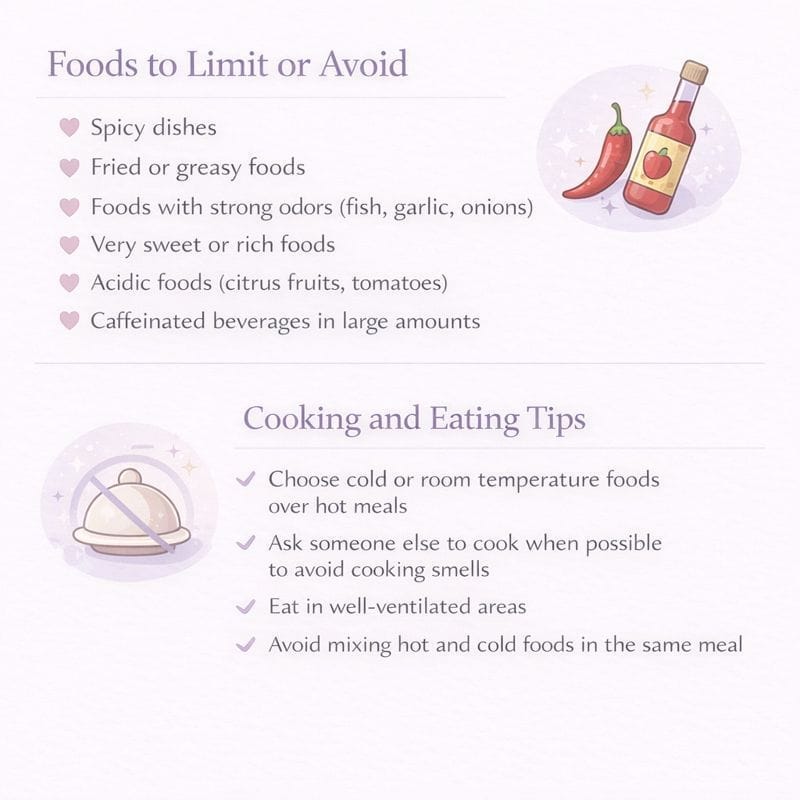
Your taste preferences might completely change during pregnancy, so foods you once enjoyed could suddenly become unappealing. Don't force yourself to eat anything that makes you feel worse - trust your body's signals and stick to what feels right.
Hydration Techniques When Struggling to Keep Fluids Down
Staying hydrated becomes challenging when even water makes you nauseous, but dehydration can actually make morning sickness worse. You need creative strategies to get fluids into your system without triggering more nausea.
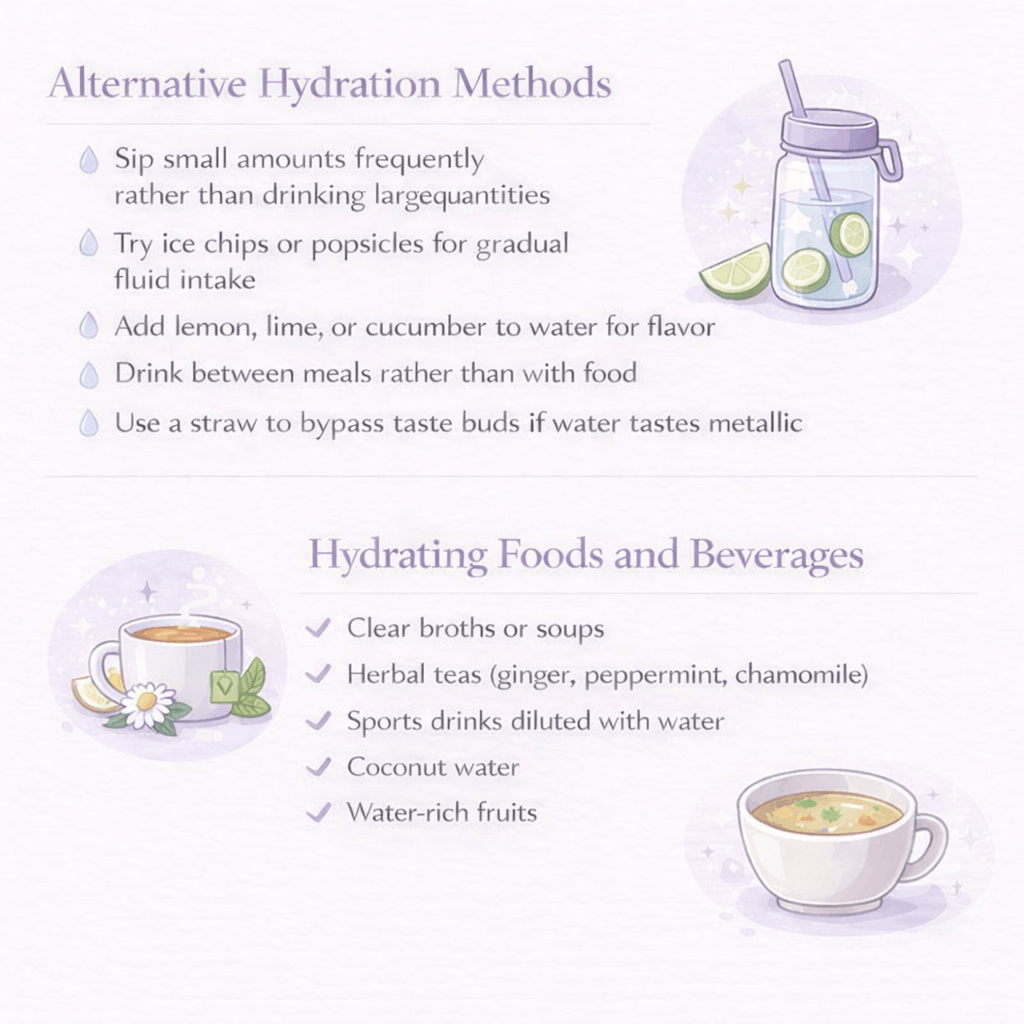
Most of the time, drinks that are not too cold tend to feel easier on the stomach. For some women, fizzy options such as ginger ale or bubbly water bring relief. Yet a few notice those little bubbles can actually stir things up more.
When throwing up a lot, reaching out to a doctor makes sense if liquids stay down less than a day. Running too low on water pulls the body sideways - sometimes an IV drip brings balance again.
Natural Remedies for Nausea Relief
Ginger supplements and ginger tea benefits
Something sharp in ginger - gingerols - tunes down stomach unrest when mornings (or afternoons) go sideways. This root shows up often in studies looking at real relief for pregnancy-related nausea.
Ginger shows up in ways that fit different needs. A chunk of fresh root, about one to two inches long, goes into a pot when making tea - just add boiling water and let it sit for around ten minutes while heat pulls out the goodness. When stomach troubles hit hard, some turn to pills instead; these often pack 250 milligrams per capsule and are usually taken three or four times each day - but talking to a doctor before starting is wise.
Ginger tea bags provide another easy option when you're feeling too sick to prepare fresh ginger. Keep
some at your bedside for those early morning moments when nausea strikes. Many women find that
sipping ginger tea slowly throughout the day helps maintain steady relief rather than waiting for
symptoms to peak.

Crystallized ginger or ginger chews work well when you're on the go. Pop one in your mouth when you
feel that familiar queasy sensation building. The slow release of ginger compounds can help prevent full
blown nausea episodes.
Vitamin B6 dosage and effectiveness
Vitamin B6, also known as pyridoxine, offers significant relief for pregnancy nausea when used correctly.
Research shows that taking 10-25mg of B6 three times daily can reduce both nausea and vomiting
episodes by up to 70% in many pregnant women.
Your body uses B6 to help regulate neurotransmitters that affect your digestive system. During
pregnancy, your B6 needs increase, and deficiency can worsen morning sickness symptoms. Taking
supplements helps restore optimal levels and provides noticeable relief within a few days.
Begin at the smaller end of the scale - roughly 10mg taken three times each day alongside food. Over time, it may go up
Some may go up to 25mg when necessary, though staying under 100mg daily is wise unless a doctor says otherwise. Using B6 along with some meals can reduce the chance of discomfort caused by taking the pill. A full belly might soften how harsh the ingredient feels inside. When eaten beforehand, nourishment acts like a cushion against irritation. Stomach issues often fade when food leads the way. What you eat first changes how your body reacts later.
Morning food helps it work better. Midday means steady levels through afternoon hours. Evening dose wraps up coverage before bed
Morning pills keep B6 stable by noon. Steady intake means fewer dips later. Your body holds onto it better when you dose at the same time. Skipping shakes things up too much. Regular timing smooths out the curve. Even distribution works quieter but longer. Late doses miss the rhythm. Small amounts often beat one big hit. Balance matters more than size.
Many women notice the most dramatic improvement in their morning symptoms when they take their first dose the night before.
Look for B6 supplements that contain pyridoxine hydrochloride rather than other forms, as this version
has the most research supporting its use for pregnancy nausea.
Acupressure points for instant nausea relief
Acupressure gives you immediate relief options that don't require any supplements or special preparation. The most effective point for nausea sits on your inner wrist, about three finger-widths down from your wrist crease, between the two prominent tendons.
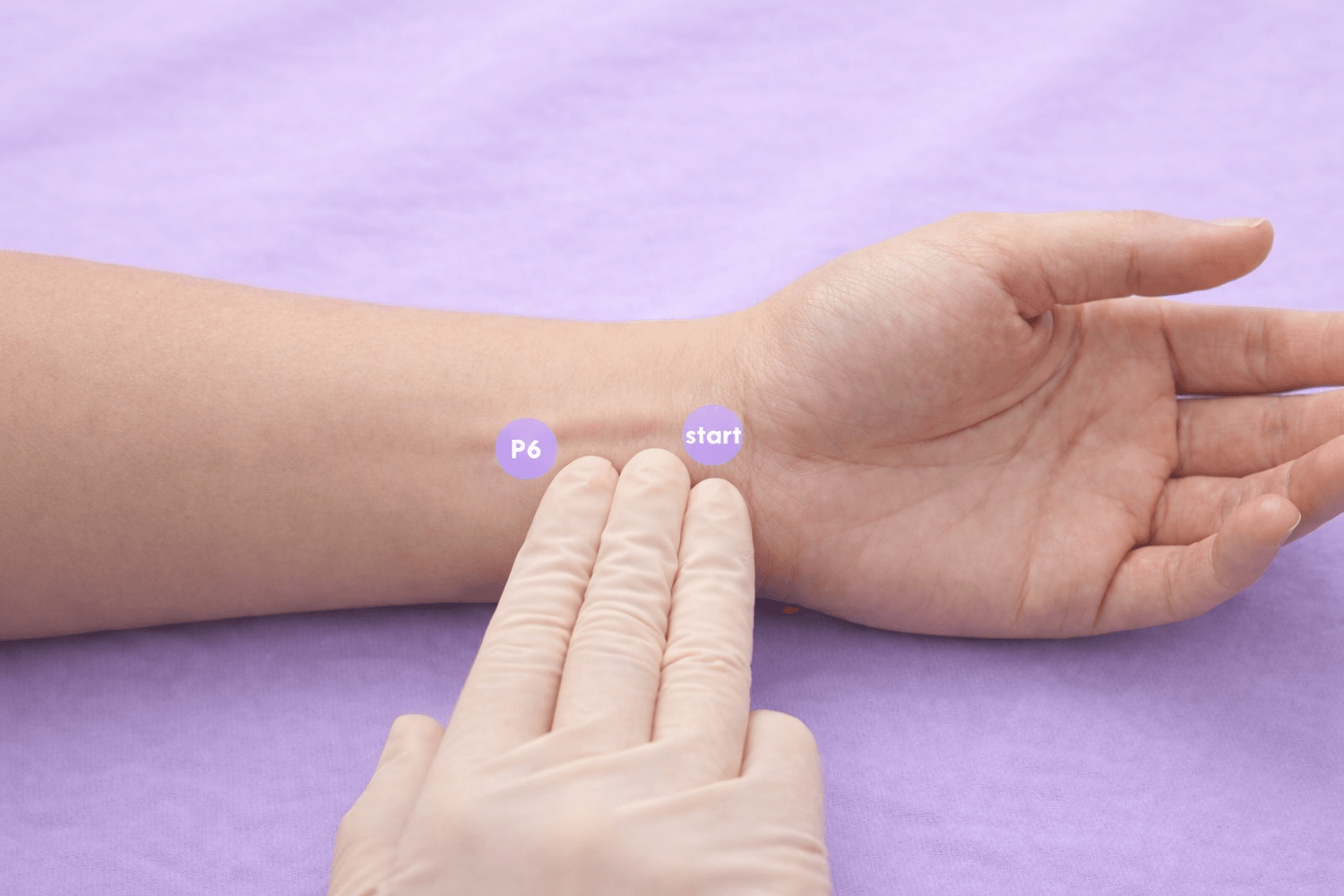
Press this P6 point (also called Nei Guan) firmly with your thumb for 2-3 minutes while breathing slowly. You'll feel a slight hollow or tender spot - that's exactly where you want to apply pressure. Alternate between both wrists for maximum effect. This technique works because the pressure stimulates nerve pathways that communicate directly with your brain's nausea control centers.

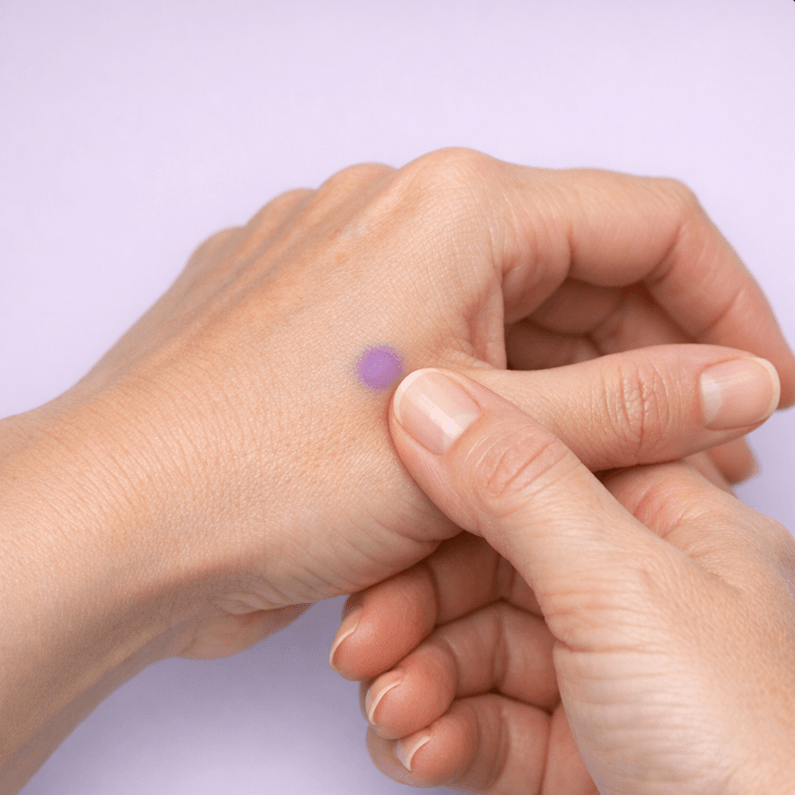
Another helpful point lies on the back of your hand, in the webbing between your thumb and index finger. Apply firm pressure here while simultaneously pressing the P6 point on your wrist for enhanced relief. This combination approach often stops nausea within minutes.
For convenience, consider getting acupressure wristbands that apply constant gentle pressure to the P6 point. These bands work well during sleep or when you can't actively press the points yourself. You can wear them all day without any side effects.

Your ear also contains effective acupressure points. Gently massage the cartilage fold above your ear canal in small circles for about 30 seconds on each ear. This technique helps reset your body's nausea response and works especially well when combined with slow, deep breathing.

Lifestyle Modifications for Better Symptom
Sleep and Rest Strategies to Minimize Nausea
Your sleep patterns play a huge role in how intense your morning sickness feels. Getting quality rest
helps your body cope with the hormonal changes that trigger nausea in the first place. Try going to bed
earlier than usual - even 30 minutes can make a difference in how you feel the next morning.
Crackers by the bed mean you can eat a bite right when you wake. Low blood sugar after hours without food? That’s often why mornings feel rough. Try eating something small before swinging your legs out. Moving slow helps - jump up fast and dizziness might hit. Sit still for sixty seconds once you’re upright. How you lie down at night could be shaping how you feel at sunrise.
Lying higher might ease that sour stomach fueling queasiness - try stacking a few more cushions under your head. When burn behind the breastbone tags alongside early pregnancy discomfort, rest tilted toward your left; it guides food down better.
Don't feel guilty about napping during the day. Your body is working overtime to grow your baby, and
exhaustion makes nausea worse. Even a 20-minute power nap can help reset your system and give you
energy to get through the rest of your day.
Gentle Exercise Routines That Help Reduce Symptoms
When sickness hits, moving feels like the last idea you’d pick. Yet soft movement often eases the upset. What matters most? Choosing actions that don’t shake your gut. A slow walk works better than most things when nausea strikes in pregnancy. Try stepping outside for 10 or 15 quiet minutes near home or a nearby green space.
Starting the day with a breeze outside shifts something deep inside your body. Moving just a little, like stepping from room to room, keeps things flowing smoothly. When going out seems too much, pacing through hallways works just as well. Bending slowly in prenatal yoga eases spots that tighten as weeks pass. On hands and knees, shifting between arching and rounding your spine takes weight off your lower back. Twisting slightly, without force, gives your gut more space. Studios sometimes hold sessions made only for pregnant people.
Another option is joining guided flows on screen built for later months. Water carries your weight, making each stroke gentle on sore muscles. Moving through it works arms, legs, and core without strain. Buoyancy eases stress on knees and back. Rhythmic breathing syncs with motion, often calming queasiness too.
Recommended gentle exercises:
10-20 minute walks
Prenatal yoga (2-3 times per week)
Swimming or water aerobics
Stationary cycling on low resistance
Simple stretching routines
Stress Reduction Techniques and Relaxation Methods
Stress and nausea feed off each other, creating a cycle that can make your morning sickness worse.
When you're stressed, your body produces hormones that can increase nausea, so learning to manage
stress becomes essential for symptom relief.
Deep breathing exercises work wonders for both stress and nausea. Try the 4-7-8 technique: breathe in
for 4 counts, hold for 7, then exhale for 8. This activates your body's relaxation response and can calm
both your mind and your stomach. Practice this whenever you feel nausea building or stress levels rising.
Five minutes is enough time to breathe on purpose. Sometimes sitting still helps more than expected. A single moment of attention changes how the day feels. Breathing slowly during pregnancy brings quiet. Focus finds its way without effort a moment of calm might come easier with a meditation app. Some pregnant women turn to voice-led sessions when seeking peace built with pregnancy in mind - easing typical aches plus answering frequent worries. These features matter most when your body shifts day by day.
Tension in the body sometimes makes nausea feel stronger. Begin by focusing on your toes, Breathe deep while tightening one set of muscles at a time - hold that tension five full counts before letting go.
Doing this builds awareness slowly through steady repetition
Fingers tense up first thing each morning. A tightness settles behind the eyes by afternoon. Shoulders creep toward ears without notice. Jaw clenches during quiet moments. Breathing grows shallow when focus narrows. Posture shifts under pressure. Tension shows up in small ways until it fills the frame.
Quick stress-relief techniques:
Deep breathing exercises (4-7-8 method)
5-10 minute meditation sessions
Progressive muscle relaxation
Gentle prenatal massage
Listening to nature sounds
Journaling about your pregnancy experience
Creating a Nausea-Friendly Environment at Home
A shift in how your house feels might calm things down - or make them worse. Smells come first - during pregnancy, they hit harder than before. Swap out heavy perfumes from cleaners, sprays, or wicks; those could set off discomfort. Open windows regularly instead. Air moving through rooms breaks up stuffiness, giving a quiet kind of comfort when nausea creeps in. When it is warm enough, let fresh air inside by opening windows, otherwise turn on fans to move air around.
Small shifts in temperature affect how you feel more than most people realize. Too much heat may make queasiness stronger, which means keeping rooms just below normal warmth helps. Keep thin covers nearby to modify how cozy you feel without touching the thermostat. Set up a quiet area, free of mess, where you can go if sickness starts. Maybe it's your bed, maybe a padded seat in the lounge, perhaps just a cushioned nook tucked away.
A set recovery zone means you can pause without rearranging everyone else’s day. Fill that space with things that help when sickness nudges in. Ginger brew, dry biscuits - stuff that sits well - should sit close by. Toss a compact bin near the spot, handy if things turn sour. Water stays important; leave a full bottle there, along with something to restore what vomiting takes out.
Home environment checklist:
Remove strong-smelling products
Ensure good ventilation and air circulation
Maintain cooler temperatures (68-72°F)
Create a designated comfort zone
Keep nausea relief supplies easily accessible
Minimize visual clutter and distractions
Use soft, natural lighting instead of harsh fluorescents
Writing things down can reduce mental load and anxiety during pregnancy, especially when symptoms feel unpredictable.
When to Seek Medical Help and Treatment Options
Warning signs that require immediate medical attention
While morning sickness affects most pregnant women, certain symptoms signal a medical emergency that demands your immediate attention. If you're experiencing severe, persistent vomiting that prevents you from keeping any food or fluids down for more than 24 hours, you need to contact your healthcare provider right away. This condition, called hyperemesis gravidarum, affects about 1-3% of pregnant women and can lead to serious complications if left untreated.
Watch for these red flags that require urgent medical care:
Severe dehydration symptoms: Dark yellow urine, dizziness when standing, dry mouth, or producing very little urine
Rapid weight loss: Losing more than 5% of your pre-pregnancy weight
Blood in vomit: Any traces of blood, whether bright red or coffee-ground appearance
Signs of electrolyte imbalance: Muscle weakness, irregular heartbeat, confusion, or severe fatigue
High fever: Temperature above 101°F (38.3°C) accompanied by nausea and vomiting
Severe abdominal pain: Sharp, persistent pain that doesn't improve with rest
Water and food fuel your health plus your baby’s growth. When signs show up, act without waiting - getting care soon might stop problems before they grow. If worry hits hard, listen close. A checkup could be exactly what matters most.
IV fluid therapy for severe dehydration cases(Intravenous therapy(IV therapy))
When your nausea becomes so severe that you can't keep fluids down, IV fluid therapy becomes a crucial treatment option. This medical intervention can quickly restore your body's fluid balance and provide essential nutrients that oral intake simply can't deliver when you're severely dehydrated.
IV therapy typically includes:
Normal saline or lactated Ringer's solution: Restores fluid volume and maintains proper blood pressure
Electrolyte replacement: Sodium, potassium, and chloride to prevent dangerous imbalances
Thiamine (Vitamin B1): Prevents neurological complications from prolonged vomiting
Anti-nausea medications: Delivered directly into your bloodstream for faster relief
You might need IV therapy if you're showing signs of moderate to severe dehydration, such as producing very little urine, feeling dizzy when you stand up, or having a rapid heart rate. The treatment usually takes place in a hospital or outpatient infusion center, where medical staff can monitor your vital signs and adjust the fluid rate as needed.
Hours after beginning IV fluids, most women start feeling much better. Energy lifts, thoughts sharpen, nausea fades while hydration returns. How long it takes ranges from part of a day to more than one, shaped by how dehydrated you are and how quickly your system reacts. Needing an IV isn’t something to be ashamed of - it helps avoid bigger health issues. During pregnancy, some go through several rounds for tough morning sickness; that does not mean you’re doing anything wrong for yourself or the baby.
A Gentle Tool to Support Your Pregnancy Journey (With a Free Nausea Relief Guide)
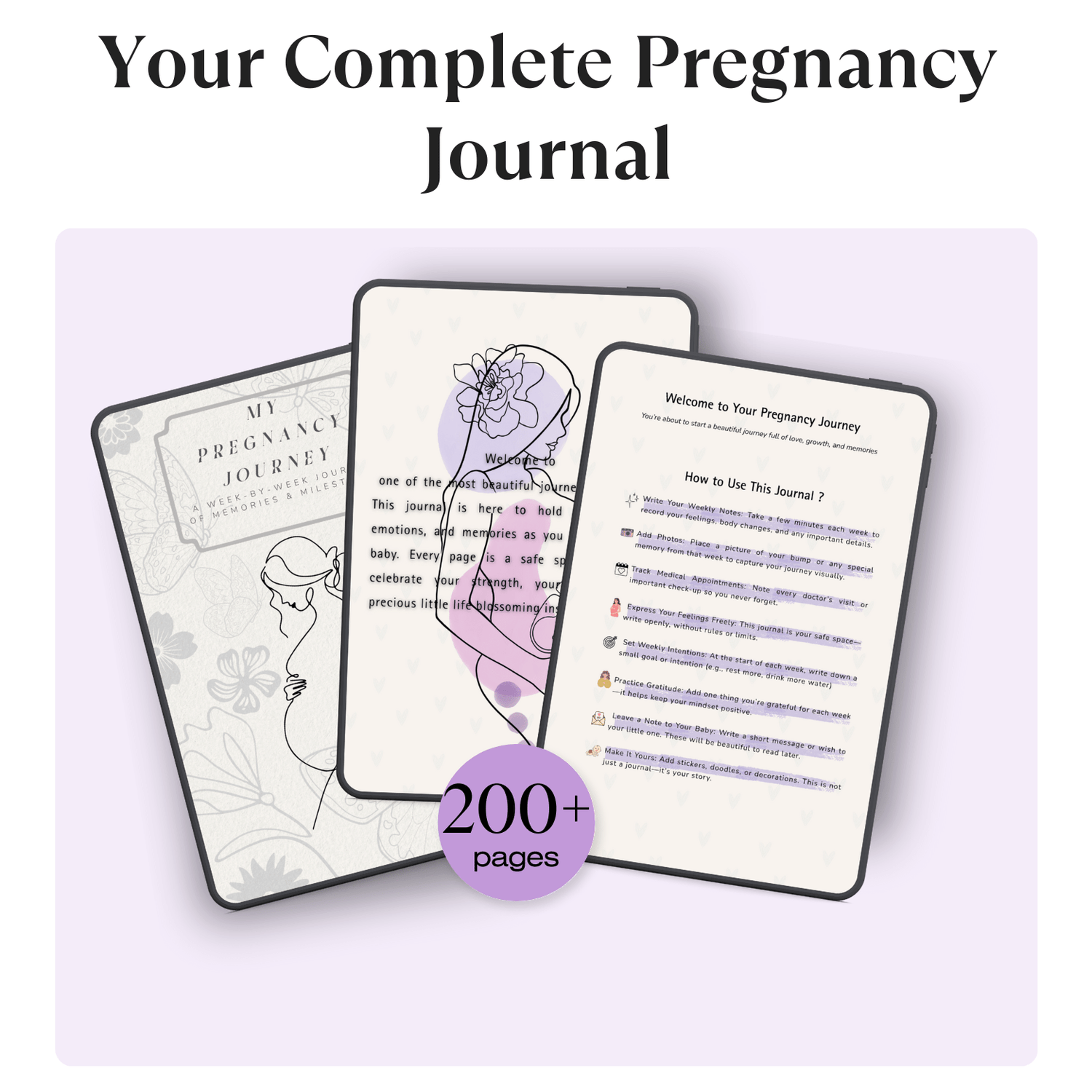
Pregnancy nausea doesn't have to control your life. You now have a toolkit of strategies to help manage those challenging waves of morning sickness. From understanding your personal triggers to making simple dietary changes like eating smaller meals and choosing bland foods, you can take charge of your symptoms. Natural remedies such as ginger, peppermint, and acupressure bands offer gentle relief, while lifestyle adjustments like getting enough rest and staying hydrated can make a real difference in how you feel day to day.
Remember that every pregnancy journey is unique, and what works for your friend might not work for you. Don't hesitate to experiment with different combinations of these approaches to find your perfect formula for relief. If your nausea becomes severe, keeps you from eating or drinking, or interferes with your daily life, reach out to your healthcare provider right away. You deserve support during this time, and there are safe medical treatments available when natural methods aren't enough. Trust your body, be patient with yourself, and know that for most women, these uncomfortable symptoms will ease as your pregnancy progresses
Latests Posts
© 2026 MindfulMotherhood. All rights reserved.