



How to Take Care of Your Body During Pregnancy Without Overwhelm
How to Take Care of Your Body During Pregnancy Without Overwhelm
Pregnancy can feel like a lot. Your body is changing fast. Advice comes from everywhere—family, friends, social media, articles that all say different things. It’s easy to worry about doing something wrong or not doing enough.
If you’re feeling tired, unsure, or overwhelmed, you’re not alone. Most pregnant women feel this way at some point. The good news? Taking care of your body doesn’t have to be complicated or stressful.
Important note: This article offers general, non-medical wellness guidance. It’s meant to support you—not replace care or advice from your doctor or midwife.
Daily Body Care Basics
Small, consistent habits matter more than perfect routines. Focus on what supports your body gently.
Hydration: simple and doable
Water supports circulation, digestion, and overall comfort during pregnancy.
Keep it simple:
Drink regularly throughout the day
Sip when thirsty instead of forcing large amounts
Add lemon or fruit if plain water feels boring
You don’t need exact numbers. Pale yellow urine and regular thirst are helpful guides.
Gentle movement that feels good
Movement helps circulation, mood, and stiffness—but it should feel comfortable.
Safe, gentle options include:
Walking at an easy pace
Light stretching
Prenatal-friendly movement classes
If movement feels good, do a little. If you’re exhausted, rest instead. Both are forms of care.
Rest and sleep positioning
Your body is working even when you’re resting.
Helpful sleep tips:
Rest when tired, even during the day
Use pillows to support your belly and back
Side sleeping (especially left side) can feel more comfortable as pregnancy progresses
There’s no “right” amount of sleep—listen to your body.
Nutrition Without Stressics
Eating well during pregnancy doesn’t mean eating perfectly.
Balanced meals, made simple
Water supports circulation, digestion, and overall comfort during pregnancy.
Aim for meals that include:
A source of protein (eggs, beans, yogurt, meat, fish)
Fruits or vegetables
Carbohydrates (rice, bread, potatoes)
Healthy fats (olive oil, nuts, avocado)
Not every meal needs to be balanced. Over time is what matters.
Key nutrients, explained simply
Some nutrients are especially helpful during pregnancy:
Iron supports oxygen in the blood and energy levels
Calcium supports bones and teeth for both you and baby
Folate supports early development
These often come from a mix of foods and prenatal vitamins recommended by your provider.
Eating when nausea makes food hard
Nausea can make eating feel overwhelming, especially early on.
Gentle tips:
Eat small amounts more often
Choose bland foods if needed
Keep simple snacks nearby
Eat when you can, not when you “should”
Eating something is better than eating nothing.
Listening to Your Body
Your body is constantly sending signals. Learning to notice them can reduce stress.
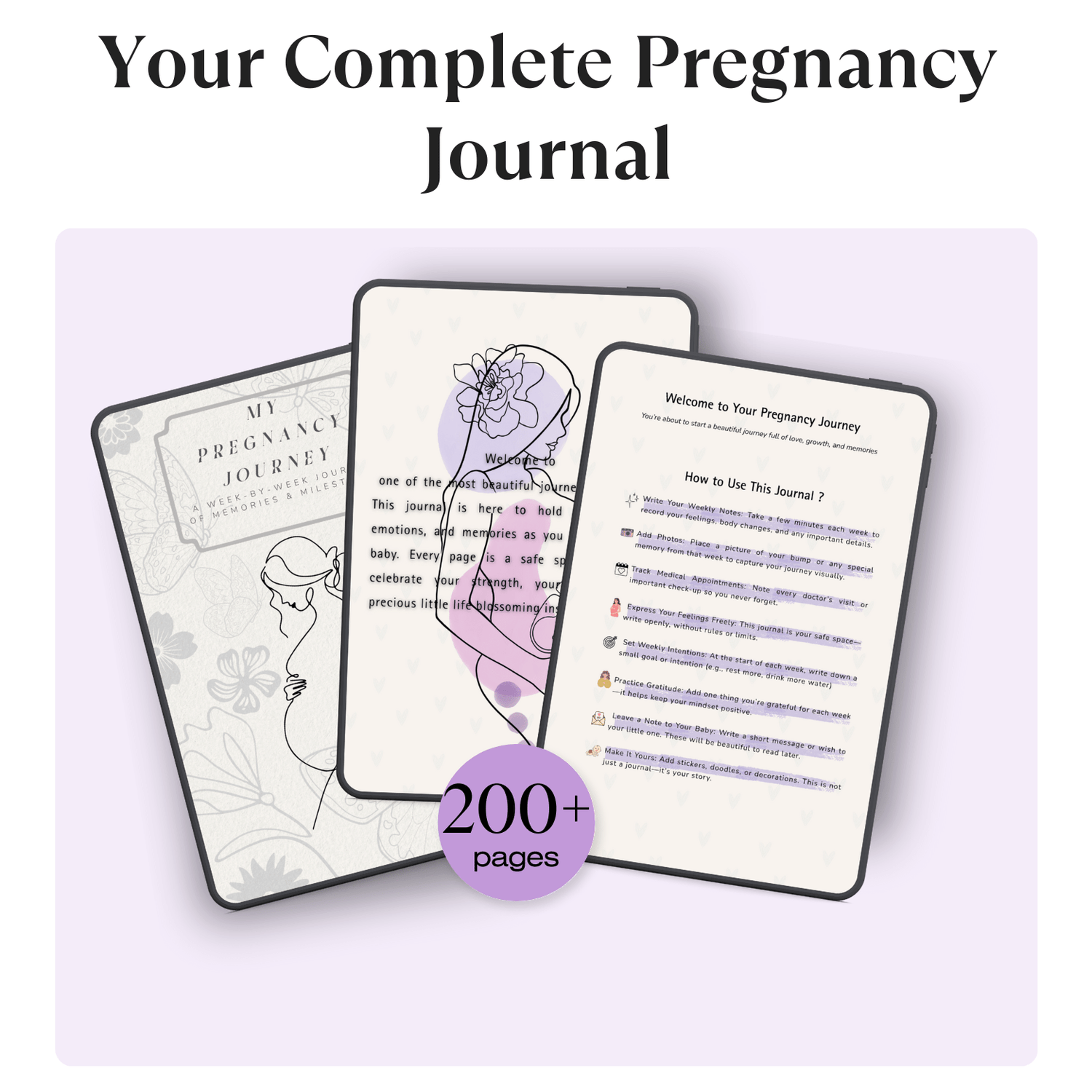
Many women find that gently tracking how they feel each day helps them notice patterns and respond with more confidence instead of worry.
What’s usually normal
Many women experience:
Fatigue
Mild aches or back pain
Shortness of breath with activity
Changes in appetite
These are common signs that your body is adjusting.
When to slow down
Slow down if you notice:
Strong or lasting exhaustion
Dizziness
Pain that worsens with activity
Resting early can prevent feeling completely drained later.
Simple Medical Safety Tips (Basic Level)
This isn’t about fear—just awareness.
Prenatal vitamins
Prenatal vitamins are commonly recommended to help cover basic nutritional needs. Take them as advised by your healthcare provider.
Regular checkups matter
Routine prenatal visits help track your health and your baby’s development. Try to attend appointments consistently, even if you’re feeling okay.
When to contact a healthcare provider
Contact your provider if you notice:
Heavy bleeding
Severe pain
Persistent vomiting
Sudden swelling or severe headaches
Anything that feels very wrong or concerning to you
Trust your instincts—you don’t need to “wait it out” if you’re worried.
Reducing Overwhelm
You don’t need to do everything.
Focus on a few habits
Choose just a few basics:
Drink water
Eat regularly
Rest when tired
Move gently if able
That’s enough.
Let go of guilt and comparison
Every pregnancy is different. What works for someone else may not work for you—and that’s okay.
You’re not behind. You’re not failing. You’re adapting.
A calm reminder to end with
Taking care of your body during pregnancy is not about perfection. It’s about kindness, consistency, and listening.
Some days will feel easier than others. On harder days, doing less is still doing something.
You are allowed to slow down.
You are allowed to keep it simple.
And you are already doing more than you think.
A Gentle Tool to Support Your Pregnancy Journey (With a Free Nausea Relief Guide)
Latests Posts
© 2026 MindfulMotherhood. All rights reserved.