



What Is Normal During Pregnancy? Common Symptoms Explained Week by Week
What Is Normal During Pregnancy? Common Symptoms Explained Week by Week
Here's something real: bringing a baby into the world stirs up joy, doubt, energy, and total wipeout - sometimes before lunch. Some mornings feel radiant, others leave you sobbing at a cereal ad. What shifts are expected while growing a person? How does each seven-day stretch shift the way things feel?
Here’s the truth, plain and clear - no confusing terms, nothing blown out of proportion. What you get is exactly what happens, straight from life, not a textbook. Most women go through this. It’s normal. Nothing hidden. Nothing fancy. Just how it really feels.
Introduction to Pregnancy Changes
Why Pregnancy Feels Different for Every Woman
Truth is, every pregnancy stands apart. One person might go through it again and yet face something totally new the next time. A few glide by with hardly any trouble at all - others? Their bodies act unpredictable, strange almost. Each story unfolds its own way.
Your hormones, genes, daily habits, how stressed you feel, and general well-being - they all shape things. Which is exactly why measuring your path against someone else's, or what shows up online, might just wear you down.
Understanding “Normal” vs. “Concerning” Symptoms
Most of the time, what you feel might bother you a bit, yet it stays under control. Hormones shifting or your baby getting bigger can spark these feelings - they show up now and then. But if something feels intense, hits hard out of nowhere, or just won’t let up, that’s different altogether.
A journey through pregnancy might feel much like driving cross-country: rough patches happen. Yet flashing signals need attention, never dismissal.
First Trimester (Weeks 1–12)
The first trimester is when your body works overtime behind the scenes. You may not look pregnant yet, but a lot is happening.
Early Pregnancy Signs
Missed Period with Hormonal Changes
When a period does not arrive, that might be the earliest sign. Hormones such as hCG, progesterone, and estrogen rise sharply at this point, shifting everything inside toward pregnancy.
Fatigue and Extreme Tiredness
Ever feel wiped out? That’s just your body doing its job. It's busy making a placenta while pumping up blood supply. Cells multiply fast too. Who wouldn’t need rest after that?
Physical Symptoms
Nausea and Morning Sickness
Sure, it says "morning" sickness - but really, it shows up whenever it wants. One person might just feel a bit queasy. Another could find eating nearly impossible. Either way, bodies handle things differently.
Breast Tenderness
Breast tenderness often shows up fast. Though nursing may seem distant, hormones already gear up for it.
Emotional and Mental Changes
Mood swings are common. You might feel excited one moment and anxious the next. Blame hormones—and the life-changing reality sinking in.
Week-by-Week Breakdown (Weeks 1–12)
Weeks 1–4
At first, signs might be subtle. Cramps or a little bleeding could show up - sometimes just puffiness. These tend to mirror how you feel before your period starts.
Weeks 5–8
Right now, lots of women feel symptoms most strongly. Nausea shows up often, alongside tiredness that won’t quit. Disliking certain foods becomes normal for some. Smells suddenly seem much stronger than before.
Weeks 9–12
Things might get worse before they begin to settle down. A sense of relief usually shows up once the ultrasound happens, especially when the heartbeat is heard.
Second Trimester (Weeks 13–27)
Welcome to what many call the “golden period” of pregnancy.
The “Honeymoon Phase” of Pregnancy
Morning sickness lifts, strength comes back, a steadier feeling takes hold. Enjoyment of pregnancy might begin to show up now.
Common Physical Changes
Growing Belly and Weight Gain
Now you start showing a little more - weight climbs slowly as things shift inside. That bump? Just your body working like it should.
Skin Changes and Stretch Marks
Few women shine during pregnancy; some instead see breakouts or splotchy spots. As the body expands, marks may show up across the skin - expected, nothing rare.
Emotional Well Being During Mid Pregnancy
Most women experience a surge of confidence once they begin to feel their baby move. Those first kicks are often followed by a sense of calm, connecting emotions more closely to what's happening inside. Anxiety tends to lessen somewhat as the movement becomes a part of daily life.
Week-by-Week Breakdown (Weeks 13–27)
Weeks 13–16
Morning brings a lift in energy, while hunger returns with less upset stomach through the day.
Weeks 17–20
Floating sensations might surprise you when little kicks begin deep inside. Movement arrives like whispers, soft at first, then clearer each day.
Weeks 21–27
A little more each week, your belly gets bigger. Sometimes a dull ache shows up along the lower back. Legs might tighten suddenly at night. Burning behind the chest follows certain meals now and then.
Third Trimester (Weeks 28–40)
Funny how it feels now - close to done, yet strangely tense.
Preparing for Birth
Breathing shifts as the baby settles deeper. This shift often brings more weight through the pelvis.
Physical Discomforts
Back Pain and Pelvic Pressure
Around week twenty, a larger belly begins pulling posture off balance. This change often tugs on the lower spine, creating tension through the pelvis. Pressure builds where support once felt steady. Movement adapts without notice, adjusting to new weight up front. Discomfort sneaks into daily motions, especially when bending or standing too long.
Shortness of Breath
When the uterus grows, pressure builds under the lungs. This can make breaths shorter, most noticeable while resting flat.
Emotional Shifts Near Birth
Some days feel like a mix of jittery energy, butterflies, then restlessness. That kind of shift? Perfectly common.
Week-by-Week Breakdown (Weeks 28–40)
Weeks 28–32
Baby kicks grow more intense while rest slips away again, making nights restless. Sleep fades just as motion inside grows bolder.
Weeks 33–36
Fake contraction episodes could start now - often coming without rhythm, never really hurting. These warm-up squeezes show up out of nowhere, mostly harmless.
Weeks 37–40
Few days before birth, changes begin. More mucus appears. A sudden urge to clean or organize shows up. Energy shifts feel hard to settle. The hours tick differently then.
Symptoms That Are Usually Normal
Digestive Issues
Bloating shows up more often when hormones change how fast food moves through your gut. Digestion slows down, which can lead to constipation for some people. Heartburn creeps in because stomach contents rise easier under hormonal shifts.
Sleep Disturbances
Pacing back and forth, aching at odd hours, mind spinning without pause - sleep often slips away when older years come around.
Frequent Urination
Bathroom trips happen more often when extra pressure hits the bladder. Blood moving faster into the kidneys plays a part too.
Tracking symptoms week by week can help you recognize what’s normal for your body and feel more confident throughout pregnancy.
When Symptoms Might Not Be Normal
Warning Signs You Should Notice
Heavy bleeding
Severe abdominal pain
Sudden swelling of face or hands
High fever
Severe headaches or vision changes
When to Contact Your Healthcare Provider
When a situation seems strange, listen to that feeling inside. Better safe than sorry - double-checking brings peace of mind.
How to Manage Common Pregnancy Symptoms
Lifestyle Tips
Ease into things. Your body talks, so pay attention. Walking each day or doing soft stretches keeps you moving without pushing too hard. When you sit or stand, keep your spine aligned - this often lessens strain on joints and lower back. Go your way. Others aren’t racing with you. Pausing now and then preserves strength throughout the day. Breathe low and slow - it loosens tightness, makes motion smoother. Comfort grows when breath leads.
Nutrition and Hydration
Throughout the day, sip water slowly - this helps ease nausea while keeping energy steady. Rather than huge drinks, frequent sips work better for balance. Meals? Try several tiny ones; they tend to settle well and aid digestion. Snacking smart avoids that heavy, bloated feeling later. Apples, oats, steamed greens, boiled eggs - plain things fuel you without weighing you down. These choices feed your system gently, cutting through tiredness quietly. Simple food acts slow but sure.
Rest and mental health care
Moving slower can actually keep you going longer. Rest fills your tank, especially when nights are short or days feel heavy. A quiet mind often works better than a busy one. Sharing thoughts out loud sometimes lifts weight off your chest. Breathing slow or noticing small things around you changes the rhythm. Help is there if you reach - no shame in that.
To Summarize It
Week by week, pregnancy brings shifts - lovely ones, tricky ones, every one matters. Knowing what usually happens can quiet worries, making things feel steadier. Your body speaks; pay attention. Curiosity helps, so speak up when unsure. Others walk this path too, right alongside you.
Frequently Asked Questions (FAQs)
1. Is it normal to have no symptoms during pregnancy?
True - a few women feel hardly anything at all, yet go on to carry their babies without issues. Sometimes, barely noticing changes works out just fine.
2. Mood shifts during pregnancy - do they happen often? What causes them?
Few things shift mood like hormones do. Life’s turns matter just as much, no matter the age.
3. When should morning sickness stop?
Some find relief once the first three months pass, yet others keep feeling it well beyond. Then again, a few notice changes earlier than expected, while timing varies widely among individuals.
4. Is back pain normal in pregnancy?
True - later pregnancy shifts how you stand and carry weight, which often brings discomfort.
5. How do I know if a symptom is serious?
Sudden pain that hits hard might need a call to your doctor without delay. A sharp change could mean it's time to reach out - fast.
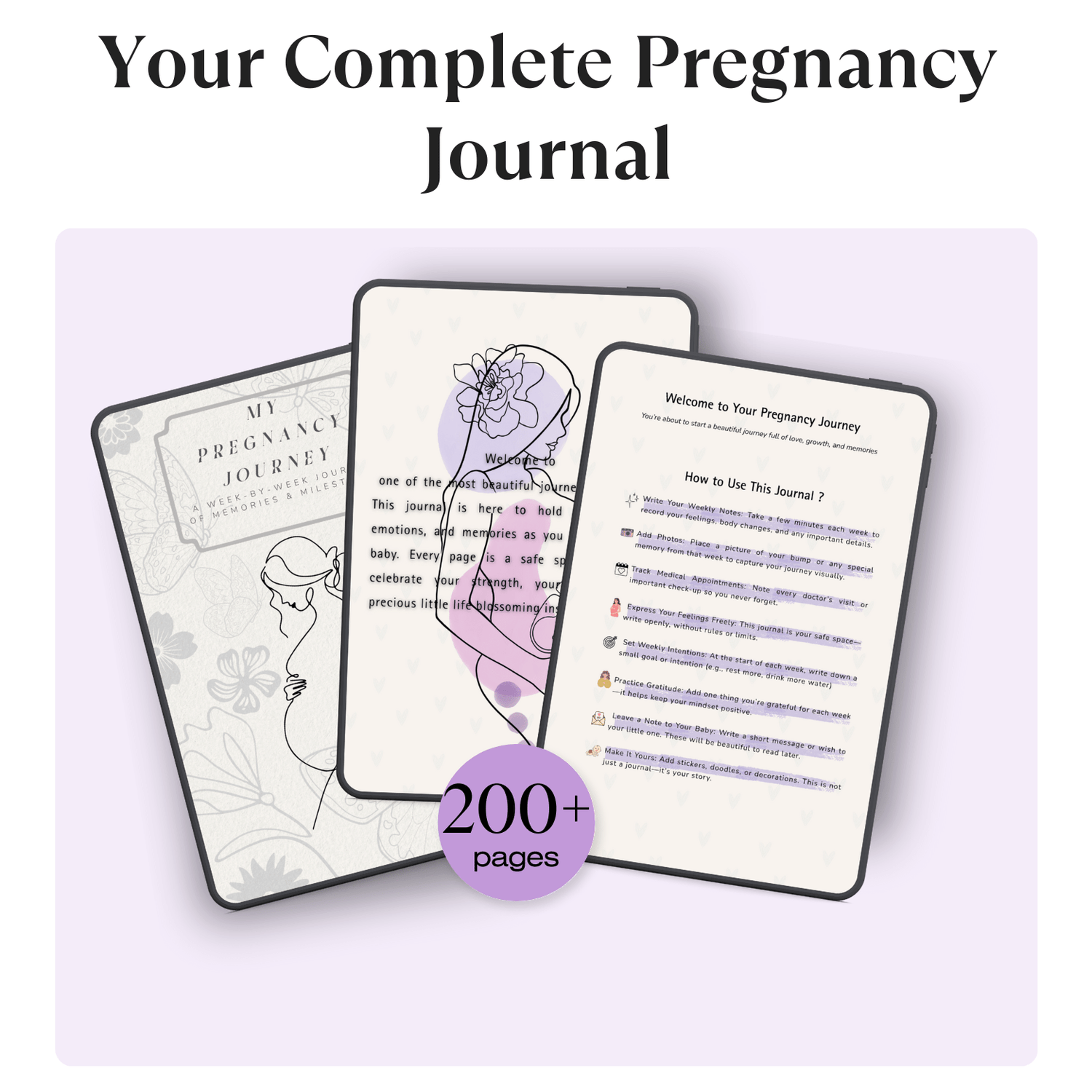
A Gentle Tool to Support Your Pregnancy Journey (With a Free Nausea Relief Guide)
Latests Posts
© 2026 MindfulMotherhood. All rights reserved.